Escuela cuzqueña
Description
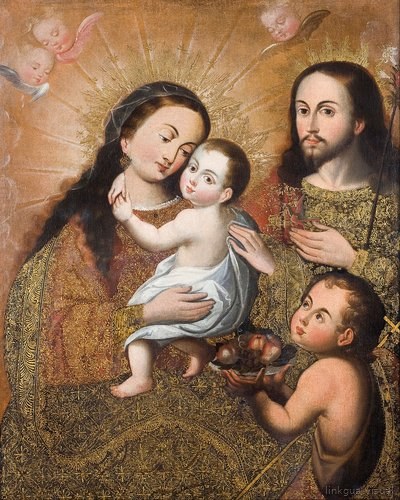
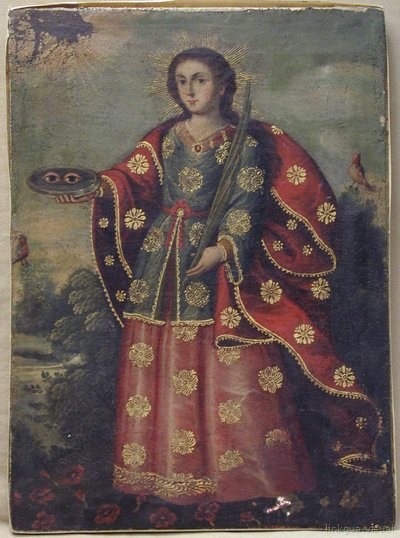
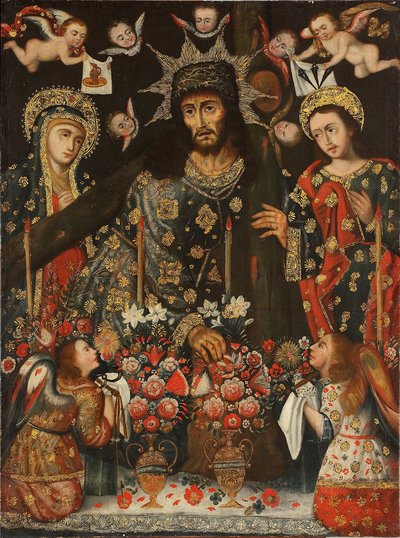
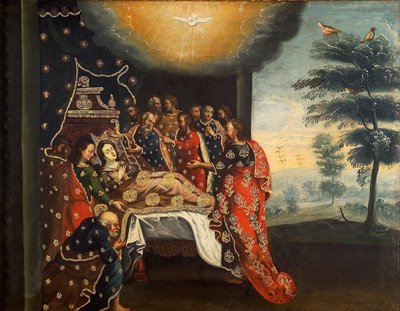
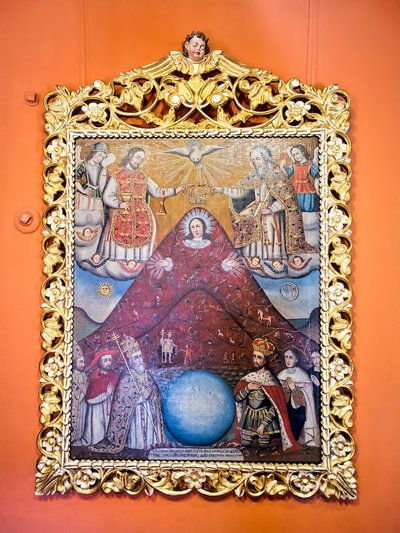
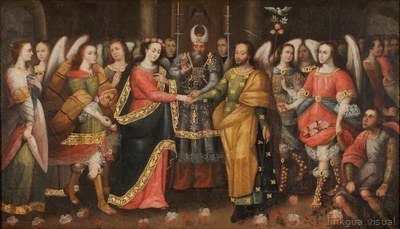
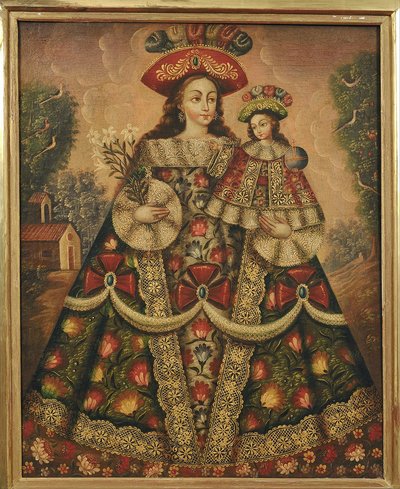
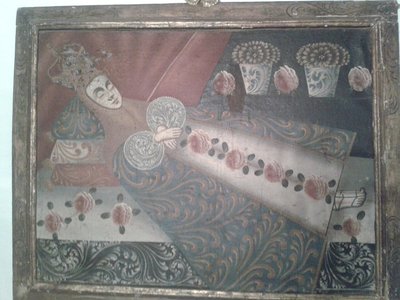
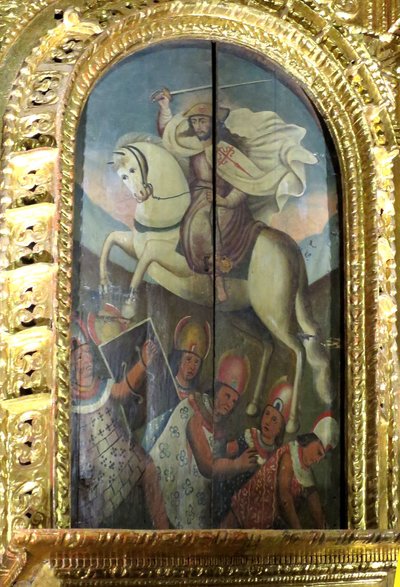
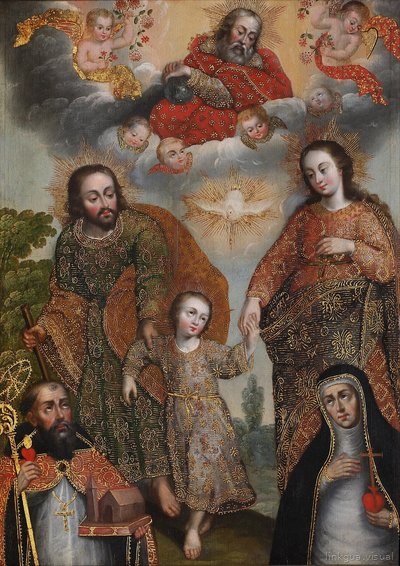
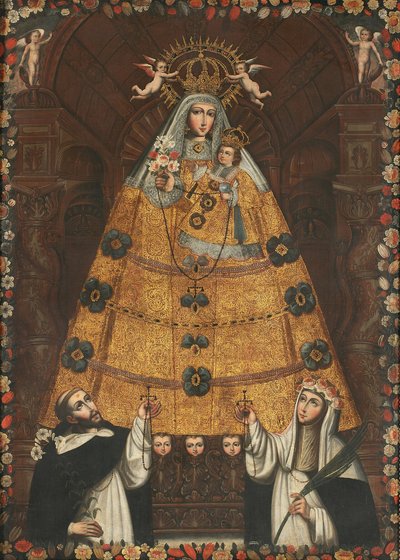
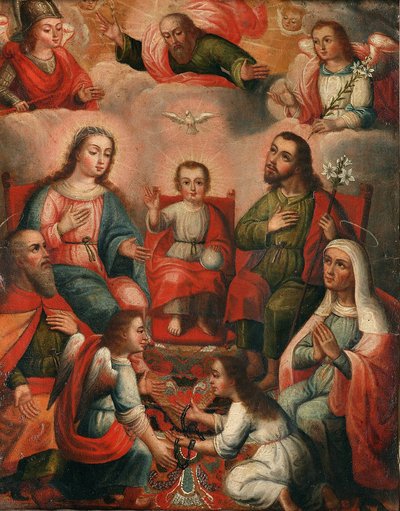
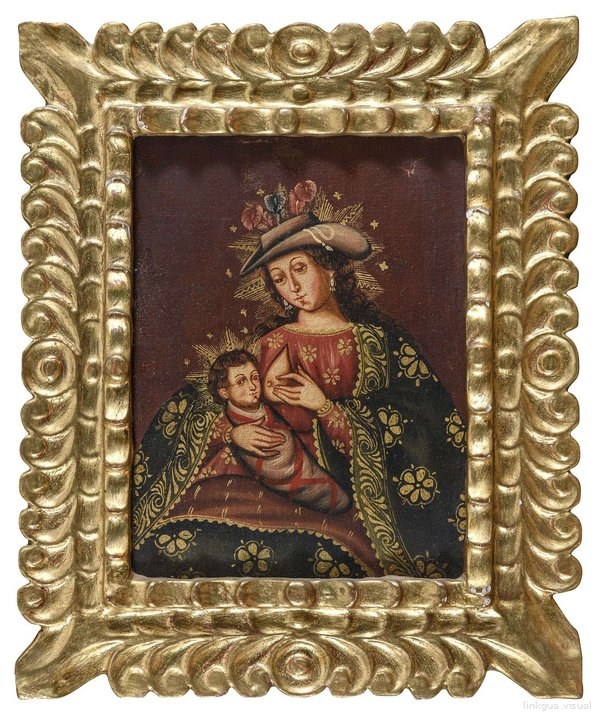
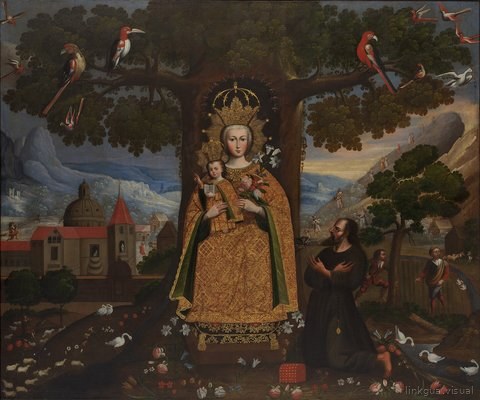
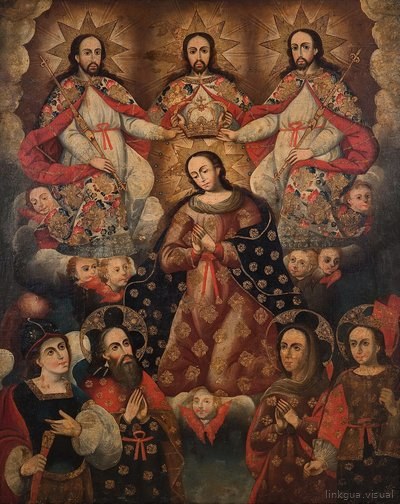
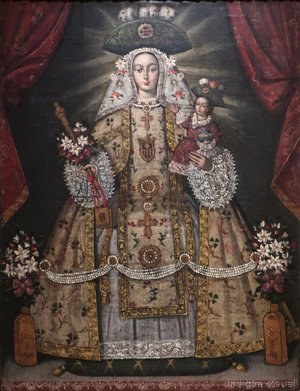
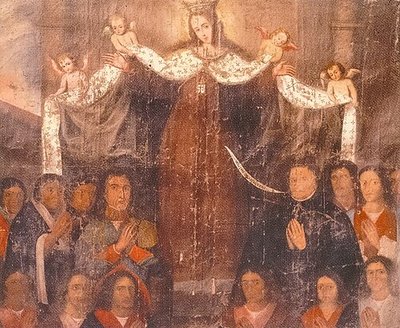
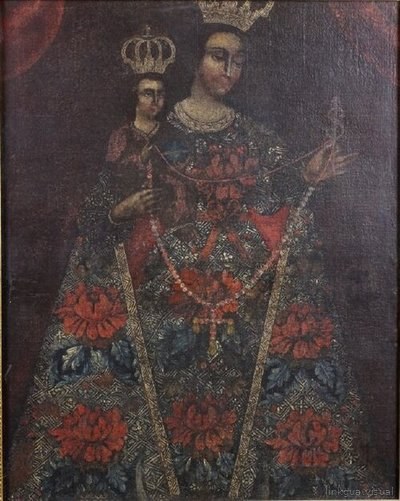
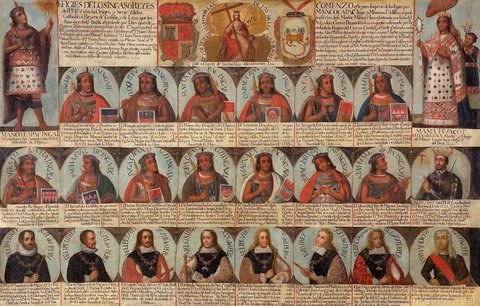
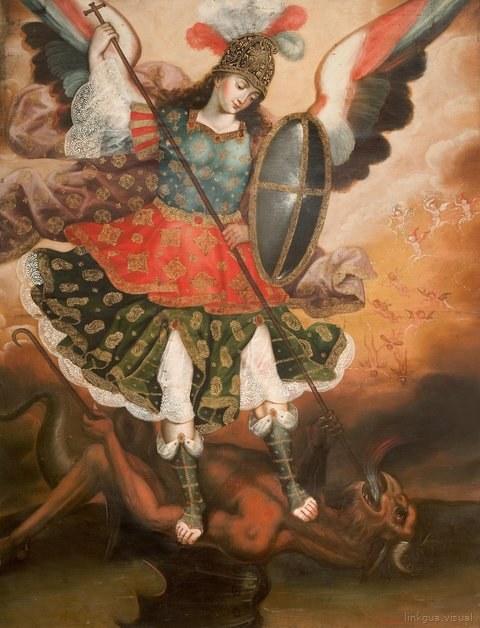
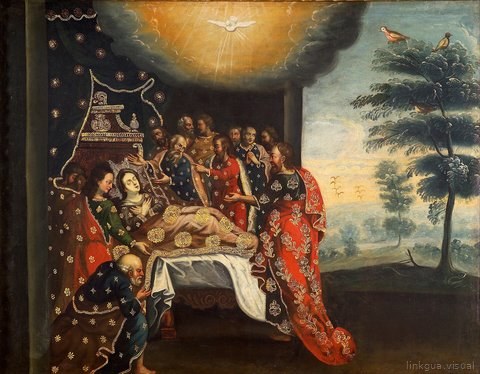
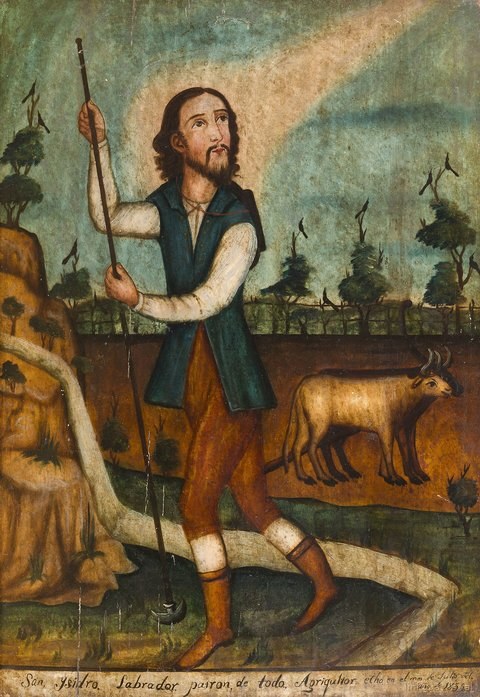
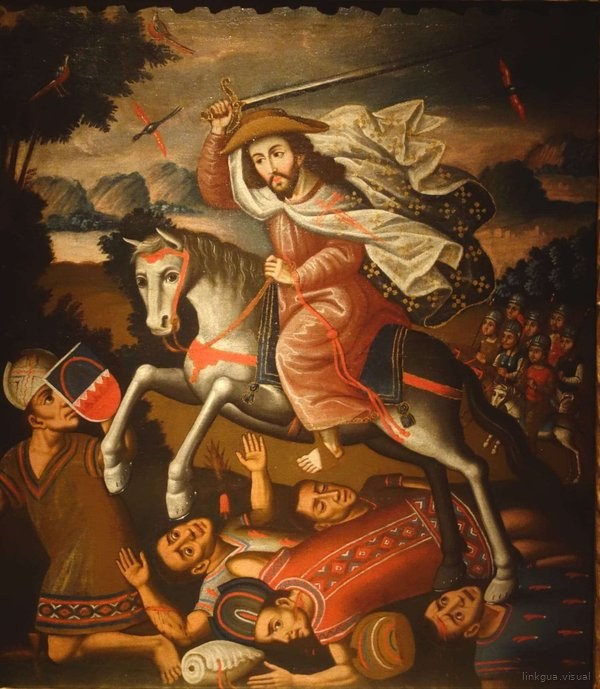
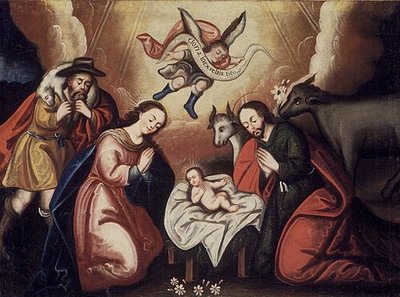
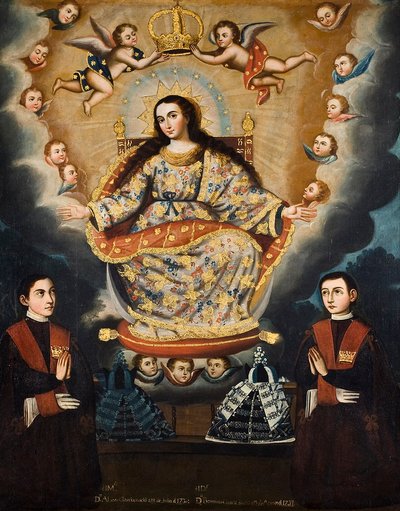
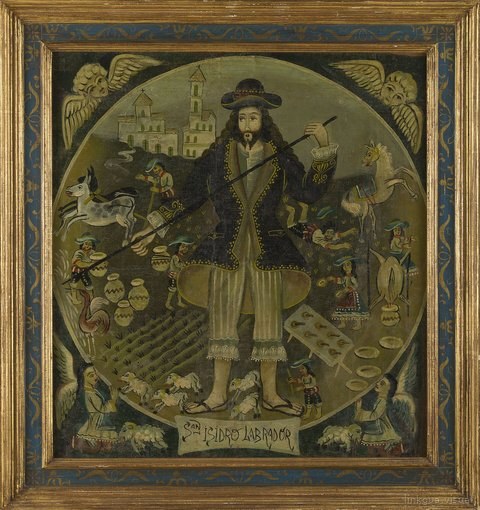
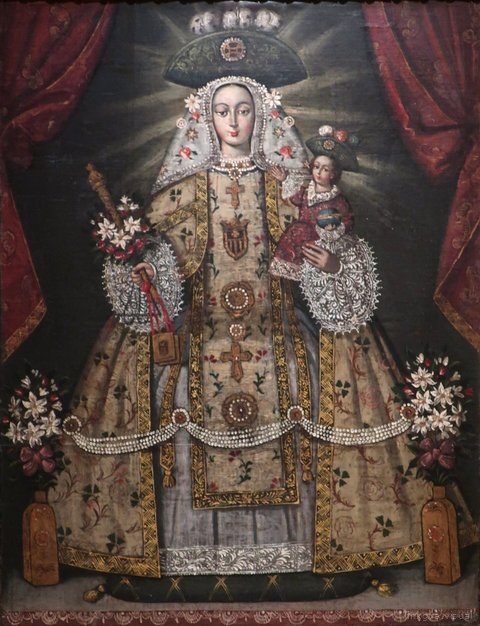
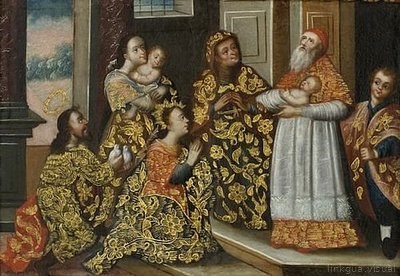
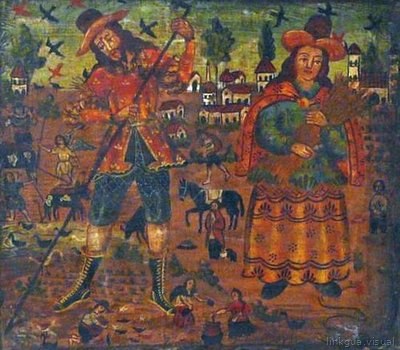
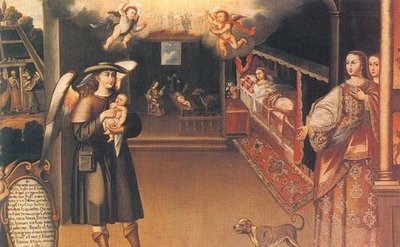
The **Escuela cuzqueña**, an unparalleled artistic phenomenon from the Viceroyalty of Peru, flourished with particular splendor in the 17th century, marking a milestone in the fusion of European and indigenous traditions. This art movement, centered in the imperial city of Cusco, is characterized by its singular Andean Baroque style, where Western technique intertwines with a local worldview, creating an unmistakable aesthetic. Works from the Escuela cuzqueña, such as the poignant "Virgen del Tránsito" or the iconic "La Virgen del Cerro de Potosí, coronada por la Trinidad", are vibrant testimonies to profound cultural syncretism. Through vibrant color palettes, the lavish use of gold leaf, and a flattened perspective, its masters and workshops developed a unique visual language, often anonymous, narrating sacred stories with a sensitivity and detail that resonated with local spirituality. Beyond their evangelizing function, these creations transcended to become emblems of a developing Hispanic American artistic identity, leaving a pictorial legacy of incalculable historical and aesthetic value that still captivates with its originality and richness.
Imágenes