Códice Magliabecchiano

290 images · 1 books in catalogue

Description

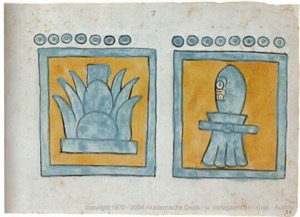
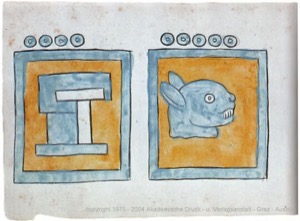
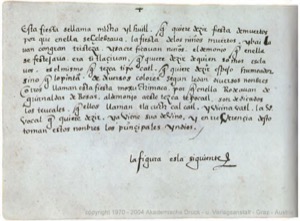
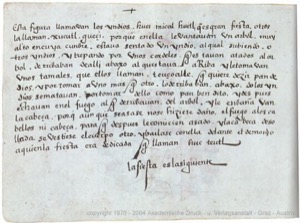
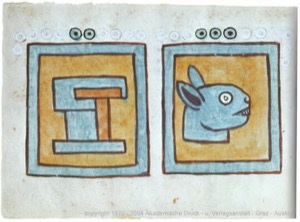
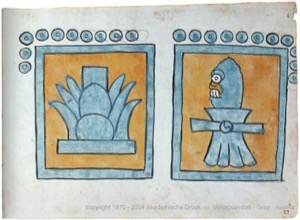
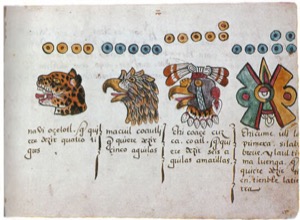
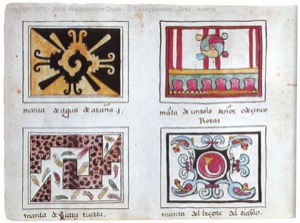
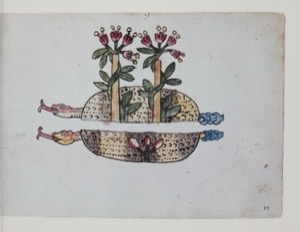
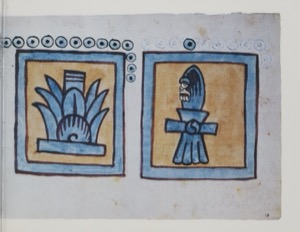
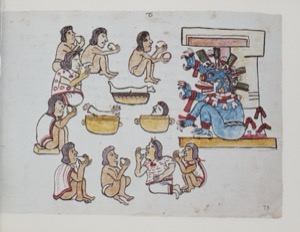
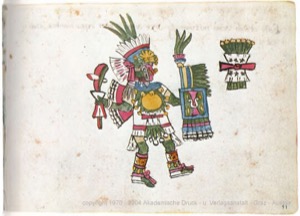
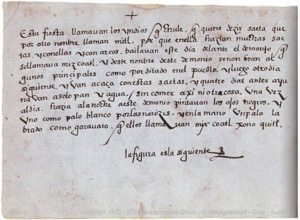
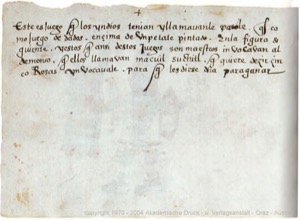
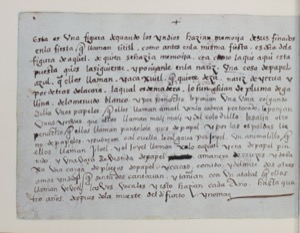
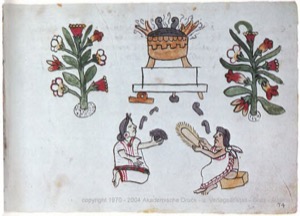
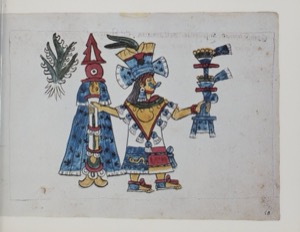
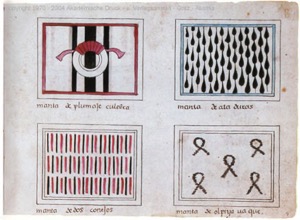
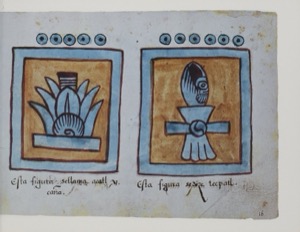
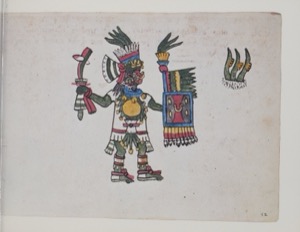
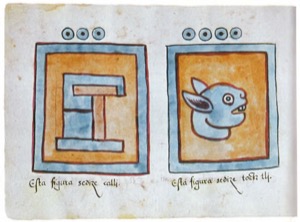
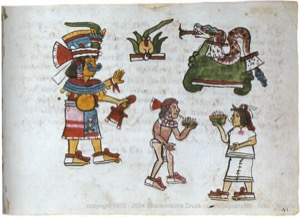
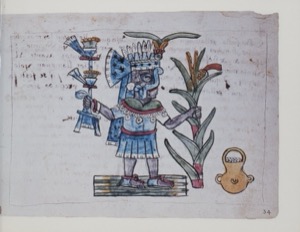
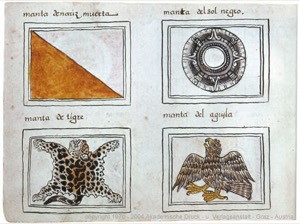
The work of the Anonymous New Spanish artist from the 16th century, showcased in Linkgua's Visual gallery with 448 images, plunges us into the fascinating cultural melting pot of colonial Mexico. This artist, whose individual identity dissolves into the collective and the documentary urgency of their era, stands as an exceptional witness to the transition experienced in New Spain. Their creations, far from being mere illustrations, form a visual and conceptual bridge between two worlds, reflecting both the pre-Hispanic worldview and the nascent European influences. Through pieces such as the iconic "Portada de 'Codex Magliabechiano'" or the detailed representations of "Manta del fuego del diablo" and "Mantas de los cuatro elementos", the Anonymous New Spanish artist documents a rich symbolic universe. Their codex pages, featuring glyphs and Nahuatl texts, reveal not only artistic techniques but also a profound understanding of indigenous traditions and their complex adaptation to the new order. The mastery in depicting blankets with diverse motifs underscores the textile's importance as a narrative and social vehicle. Linkgua's gallery invites viewers to unravel the profound artistic and ethnographic heritage of this foundational period of Hispano-American art.

Authors

Anónimo tlacuilo mexica

About this work

Colección visual de obras de Francisco de Goya: desde los cartones para tapices hasta los Caprichos, los Desastres de la guerra y las Pinturas negras.

Francisco de Goya: Francisco de Goya y Lucientes (1746-1828). Pintor y grabador aragonés, figura central del arte español.

XVIII-XIX · España · Libros ilustrados

arte español, pintura, grabado, Goya, Aragón, Madrid, Caprichos, siglo XVIII, siglo XIX

Imágenes
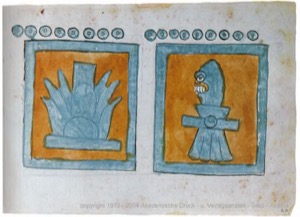
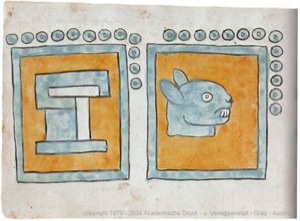
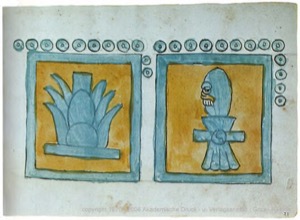
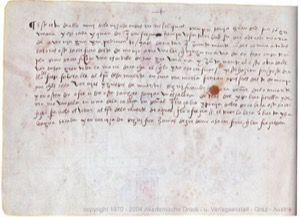
Mantas y símbolos precolombinos — Anónimo tlacuilo (Códice Magliabecchiano) Ilustraciones de códice prehispánico: planta y figura humana — Anónimo tlacuilo (Códice Magliabecchiano) Páginas de códice prehispánico con glifos y un rostro de animal — Anónimo tlacuilo (Códice Magliabecchiano) Escrito antiguo sobre fiestas y rituales — Anónimo tlacuilo (Códice Magliabecchiano) Descripción de una fiesta indígena con rituales y ofrendas — Anónimo tlacuilo (Códice Magliabecchiano) Página amarillenta con manchas de tiempo — Anónimo tlacuilo (Códice Magliabecchiano) Páginas de un Códice Prehispánico con Glifos y Representación Animal — Anónimo tlacuilo (Códice Magliabecchiano) Ilustraciones de códice prehispánico con figuras antropomorfas y vegetales — Anónimo tlacuilo (Códice Magliabecchiano) Ilustración de glifos y animales de códice azteca — Anónimo tlacuilo (Códice Magliabecchiano) Ilustraciones de códice prehispánico con glifos y figuras antropomorfas — Anónimo tlacuilo (Códice Magliabecchiano) Códice con glifos y representación de un conejo — Anónimo tlacuilo (Códice Magliabecchiano) Ilustraciones de glifos mesoamericanos en códice — Anónimo tlacuilo (Códice Magliabecchiano)

Illustrated book

Códice Magliabecchiano

Country: México · Century: XVI · Tradition: códice colonial poscortesiano

398 images

The work of the Anonymous New Spanish artist from the 16th century, showcased in Linkgua's Visual gallery with 448 images, plunges us into the fascinating cultural melting pot of colonial Mexico. This artist, whose individual identity dissolves into the collective and the documentary urgency of their era, stands as an exceptional witness to the transition experienced in New Spain. Their creations, far from being mere illustrations, form a visual and conceptual bridge between two worlds, reflecting both the pre-Hispanic worldview and the nascent European influences. Through pieces such as the iconic "Portada de 'Codex Magliabechiano'" or the detailed representations of "Manta del fuego del diablo" and "Mantas de los cuatro elementos", the Anonymous New Spanish artist documents a rich symbolic universe. Their codex pages, featuring glyphs and Nahuatl texts, reveal not only artistic techniques but also a profound understanding of indigenous traditions and their complex adaptation to the new order. The mastery in depicting blankets with diverse motifs underscores the textile's importance as a narrative and social vehicle. Linkgua's gallery invites viewers to unravel the profound artistic and ethnographic heritage of this foundational period of Hispano-American art.