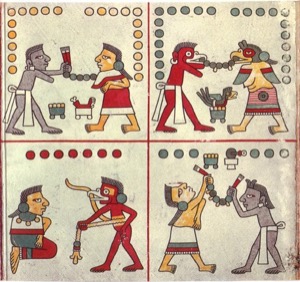
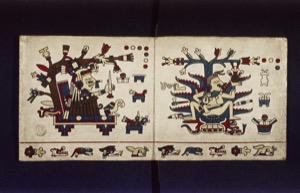
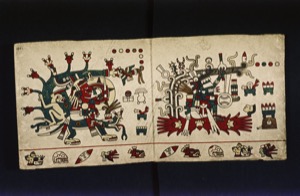
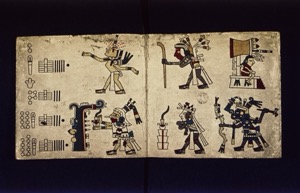
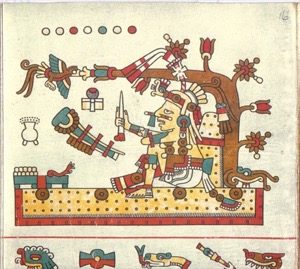
Tlacuilo anónimo, tradición mixteca-puebla
108 images · 1 books in catalogue
Description
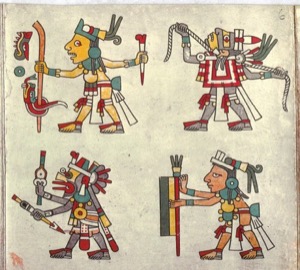
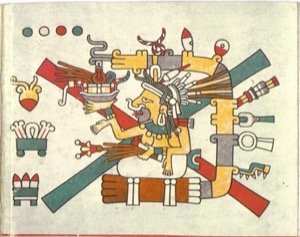
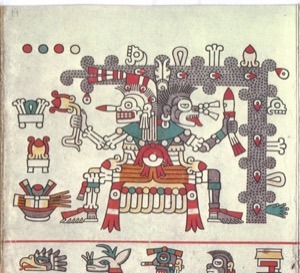
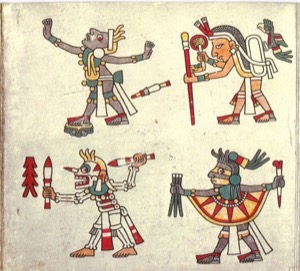
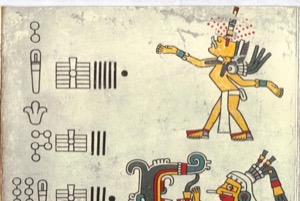
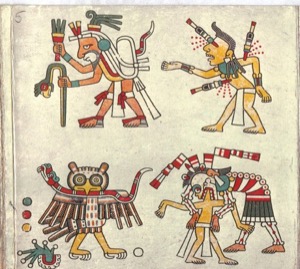
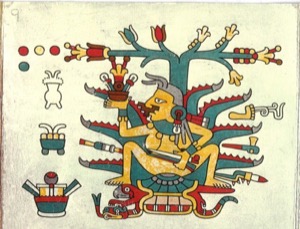
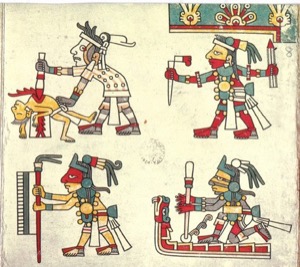
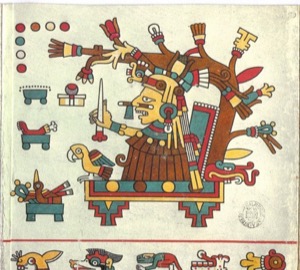
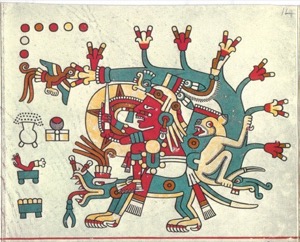
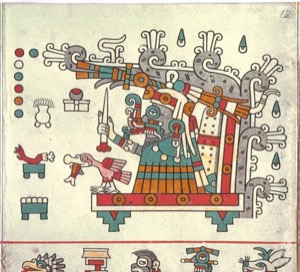
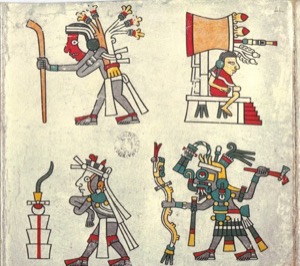
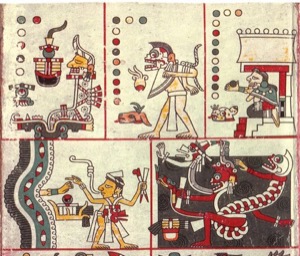
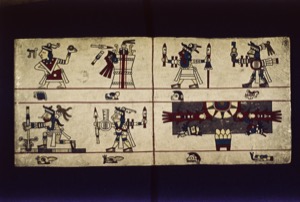
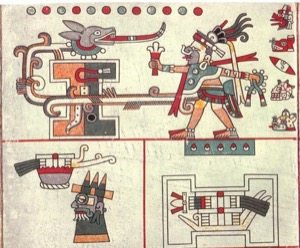
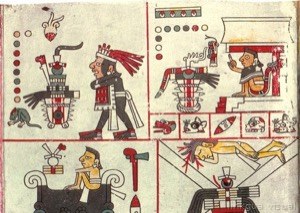
Linkgua Ediciones' Visual Gallery proudly presents the extraordinary work of the Anonymous Tlacuilo, Mixtec-Puebla Tradition, whose artistic legacy, forged in pre-Columbian Mexico during the 15th century, represents the pinnacle of Mesoamerican pictographic expression. Tlacuilos, elite artist-scribes, not only recorded historical and cosmological events but visually shaped the intricate worldview of their societies. Through a selection of 51 images, this gallery explores the chromatic richness and detailed symbolism present in codex pages that transcend mere documents to become authentic works of art. Central to this collection is the Códice Laud, from which fragments such as the majestic Lámina 31 and the enigmatic Página 23 are exhibited. These works eloquently testify to the tlacuilo's ability to interweave anthropomorphic and zoomorphic figures with ritual scenes and complex glyphs, narrating foundational myths, divine genealogies, and ceremonial practices. The Mixtec-Puebla tradition is renowned for its distinctive style, characterized by precise contours, vibrant colors obtained from natural pigments, and sophisticated composition guiding the eye through sequential narratives. The aesthetic mastery and profound cultural weight of these pages offer an invaluable window into the pre-Hispanic worldview, inviting deep contemplation of art as a vehicle for ancestral knowledge and timeless beauty.
Authors
About this work
Colección visual de obras de Francisco de Goya: desde los cartones para tapices hasta los Caprichos, los Desastres de la guerra y las Pinturas negras.
Francisco de Goya: Francisco de Goya y Lucientes (1746-1828). Pintor y grabador aragonés, figura central del arte español.
XVIII-XIX · España · Libros ilustrados
arte español, pintura, grabado, Goya, Aragón, Madrid, Caprichos, siglo XVIII, siglo XIX
Imágenes

_b01c0c80e90d3ebc.jpg)